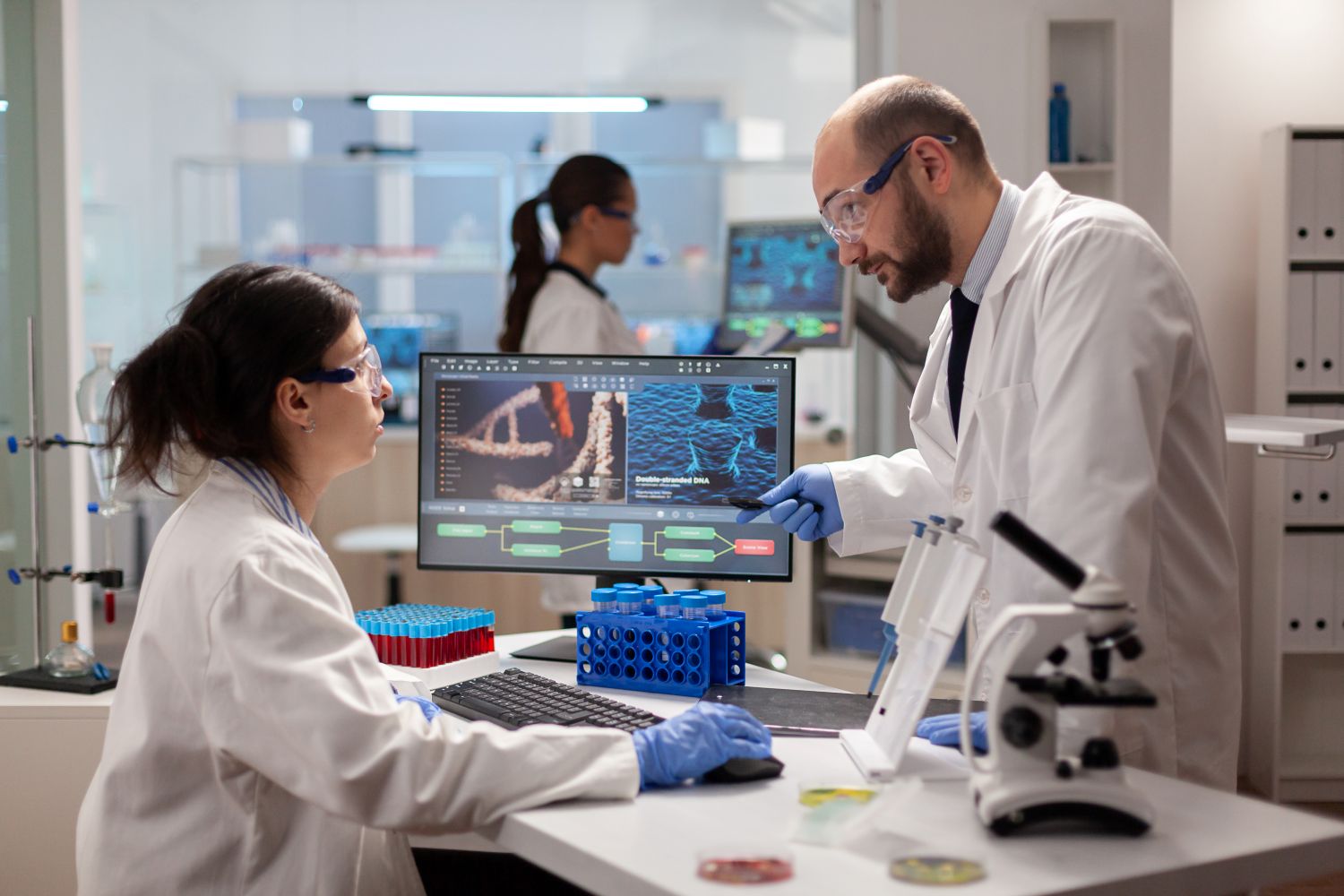
The landscape of medicine is undergoing a profound transformation, driven by the rapid advancement of emerging technologies. From artificial intelligence (AI) to nanotechnology, these innovations are not only enhancing the capabilities of healthcare professionals but also improving patient outcomes and reshaping the very nature of medical practice. This article explores the future of medicine in light of these groundbreaking technologies, highlighting their potential applications and implications for healthcare.
1. Artificial Intelligence (AI)
A. Diagnostics and Predictive Analytics
AI is revolutionizing diagnostics by enabling faster and more accurate interpretations of medical data. Machine learning algorithms can analyze vast amounts of data from medical imaging, electronic health records, and genetic information to identify patterns and predict disease outcomes. For instance, AI systems can assist radiologists in detecting tumors in mammograms or CT scans with remarkable accuracy, reducing the likelihood of missed diagnoses.
B. Personalized Medicine
AI is also playing a pivotal role in the development of personalized medicine, where treatment plans are tailored to individual patients based on their genetic makeup, lifestyle, and environmental factors. By analyzing genetic data, AI can help identify the most effective therapies for specific patients, leading to better treatment outcomes and minimized side effects.
C. Drug Discovery
The drug discovery process, traditionally lengthy and expensive, is being accelerated by AI technologies. AI algorithms can predict how different compounds will interact with biological targets, significantly shortening the time needed to identify promising drug candidates. This not only speeds up the development of new medications but also reduces costs, making treatments more accessible.
2. Telemedicine
A. Remote Patient Monitoring
Telemedicine has gained immense popularity, especially in the wake of the COVID-19 pandemic. Remote patient monitoring technologies allow healthcare providers to track patients’ health metrics in real-time using wearable devices. This continuous monitoring can help detect potential health issues early, enabling timely interventions.
B. Virtual Consultations
Telehealth platforms facilitate virtual consultations, making healthcare more accessible to patients who may have difficulty attending in-person appointments. This is particularly beneficial for individuals in rural areas or those with mobility challenges. Virtual consultations also allow for better management of chronic conditions, as patients can receive regular follow-ups without the need for travel.
3. Genomics and Gene Editing
A. Advancements in Genomics
The field of genomics has seen significant advancements with technologies like next-generation sequencing (NGS), which allows for rapid and cost-effective sequencing of entire genomes. This has opened new avenues for understanding genetic disorders, cancer, and infectious diseases, paving the way for targeted therapies and preventive measures.
B. CRISPR and Gene Editing
CRISPR-Cas9 technology has revolutionized gene editing, allowing scientists to modify DNA with unprecedented precision. This technology holds the potential to treat genetic disorders by correcting mutations at their source. Ongoing research is exploring its applications in treating conditions such as sickle cell anemia and cystic fibrosis, as well as its potential use in cancer therapies.
4. Nanotechnology
A. Targeted Drug Delivery
Nanotechnology is transforming medicine through the development of nanoparticles that can deliver drugs directly to targeted cells or tissues. This targeted approach minimizes side effects and enhances the efficacy of treatments, particularly in cancer therapy. By encapsulating drugs in nanoparticles, healthcare professionals can achieve higher concentrations of therapeutic agents at the tumor site while sparing healthy tissues.
B. Diagnostics and Imaging
Nanotechnology also plays a significant role in improving diagnostic techniques. Nanoscale materials can enhance imaging modalities, such as MRI and ultrasound, allowing for more detailed visualization of tissues and organs. This can lead to earlier detection of diseases and more accurate assessments of treatment effectiveness.
5. Robotics and Automation
A. Surgical Robotics
Robotic-assisted surgery has revolutionized the field of surgery by providing surgeons with enhanced precision, flexibility, and control. Robotic systems, such as the da Vinci Surgical System, allow for minimally invasive procedures with smaller incisions, resulting in reduced recovery times and improved patient outcomes.
B. Automation in Healthcare
Automation technologies are streamlining various aspects of healthcare operations, from administrative tasks to medication dispensing. Robotic systems can assist in managing inventory, processing lab samples, and even providing companionship to patients in long-term care facilities, allowing healthcare professionals to focus more on direct patient care.
6. 3D Printing
A. Custom Prosthetics and Implants
3D printing technology is making significant strides in the medical field, particularly in the production of custom prosthetics and implants. This technology allows for the creation of patient-specific devices that fit perfectly, improving comfort and functionality. From dental implants to orthopedic devices, 3D printing is enhancing the personalization of medical treatments.
B. Tissue Engineering
Researchers are exploring the potential of 3D printing in tissue engineering, aiming to create functional tissues and organs for transplantation. While still in the experimental stages, this technology holds the promise of addressing the shortage of organ donors and improving outcomes for patients in need of transplants.
Conclusion
The future of medicine is being shaped by emerging technologies that are revolutionizing diagnostics, treatment, and patient care. From AI and telemedicine to genomics, nanotechnology, and robotics, these innovations hold great promise for improving healthcare outcomes and enhancing the patient experience. As these technologies continue to evolve, they will enable healthcare professionals to provide more personalized, efficient, and effective care. Embracing these advancements will not only transform the way we approach medicine but also pave the way for a healthier future for all.